
Back to blog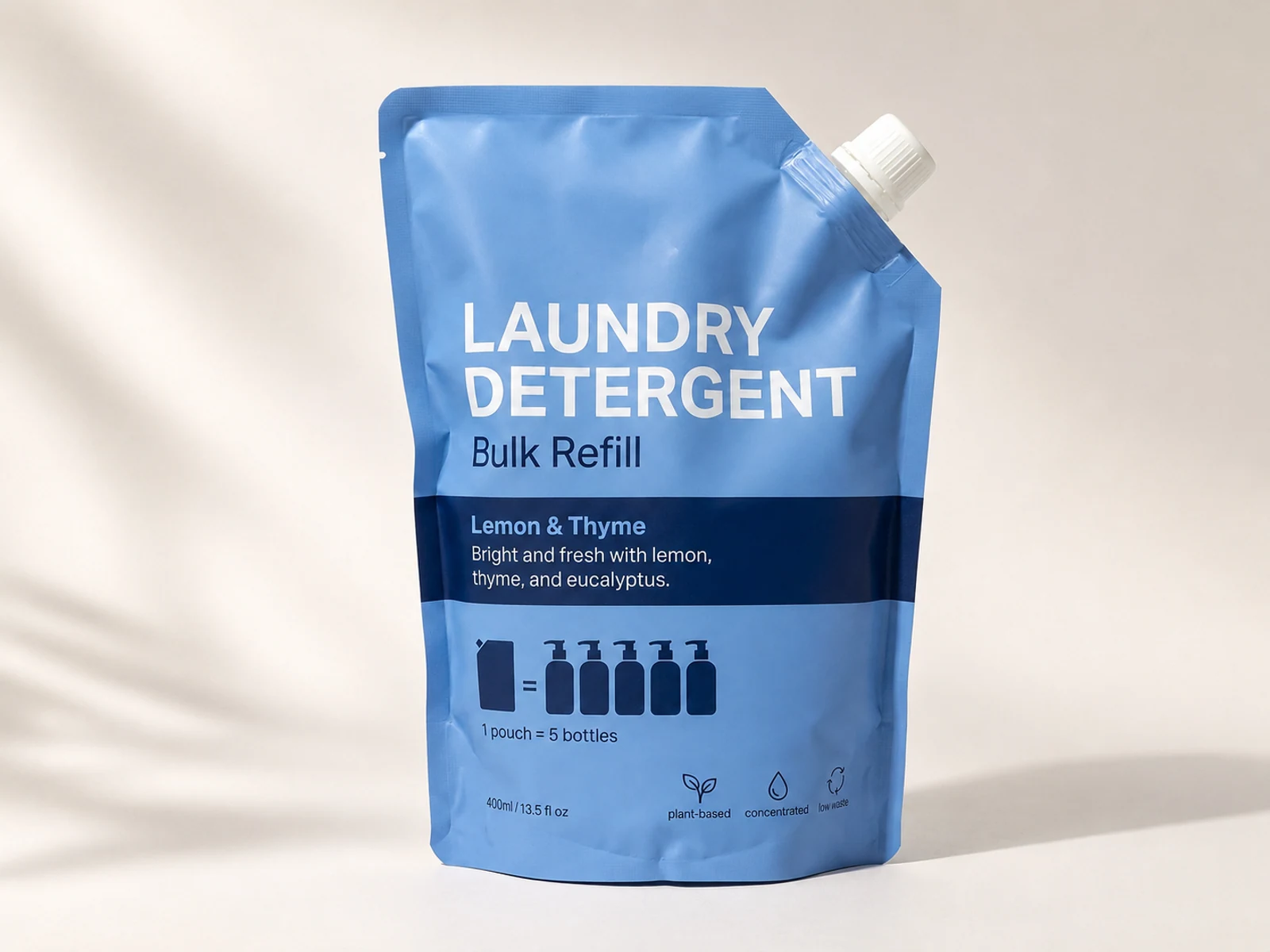
Liquid Packaging
Spout Pouch Leak Testing: What Buyers Should Confirm
Choose a spout pouch around liquid chemistry, filling temperature, cap, spout position, seal strength, drop testing, and transport conditions.
2026-08-137 min read
Liquid Packaging
Choose a spout pouch around liquid chemistry, filling temperature, cap, spout position, seal strength, drop testing, and transport conditions.
Water, juice, sauce, detergent, shampoo, and solvent-free household refills interact differently with films, seals, and spout components. Share the formulation category, pH when relevant, fill temperature, storage time, and whether the product contains oil, alcohol, fragrance, or active ingredients.
Compatibility should be tested with the real product. A pouch that works for water cannot automatically be approved for detergent or sauce.
Leaks can come from the pouch seal, spout weld, cap fit, impact damage, or flex cracking. Filled samples should be tested in the intended orientation and carton, including drops and pressure changes expected in transport.
Corner spouts can make controlled pouring easier, while centered spouts can suit some refill formats and filling lines. The pouch width, gusset, handle, cap diameter, and remaining product evacuation should be reviewed together.
For a useful quote, send product type, fill volume, density, filling temperature, spout preference, artwork, quantity, and destination country.