
Coffee Packaging
Custom Coffee Bags: Keep Aroma In and Oxygen Out
Choose custom coffee bags by roast date, barrier, valve, zipper, filling weight, and shelf life so the pack protects coffee after roasting and after opening.

Coffee Packaging
Choose custom coffee bags by roast date, barrier, valve, zipper, filling weight, and shelf life so the pack protects coffee after roasting and after opening.

Freshly roasted coffee releases gas while oxygen, moisture, light, and poor seals can reduce aroma quality. The right custom coffee bag depends on roast level, packing date, whole bean or ground coffee, filling weight, distribution time, and how long the customer will keep the bag open.
Ask for a proposed barrier structure and the reason behind it. A thicker bag is not automatically a better barrier, and a kraft look does not describe the protective layers inside.
A one-way degassing valve is intended to release gas from freshly roasted coffee while limiting outside air entry. Its position should match the fill level, bag structure, and packing process.
The zipper helps consumers reclose the bag after opening; it does not replace the production top seal. Check zipper alignment, opening force, and repeated use with the real coffee inside.
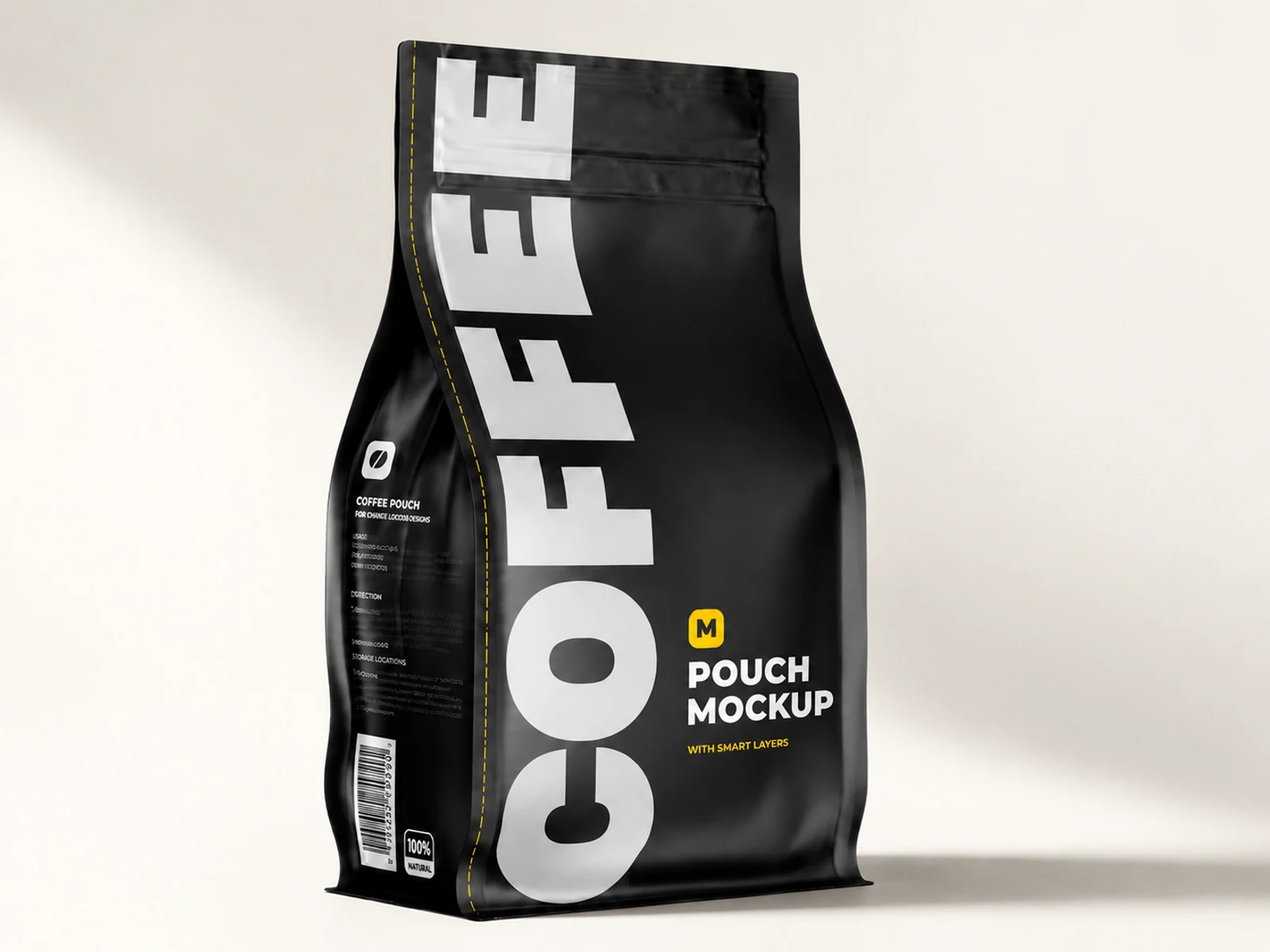
Stand-up pouches, flat-bottom bags, and side-gusset bags can all work for coffee, but the same dimensions do not suit every bean density or filling method. Test standing stability, seal space, valve position, and artwork distortion before production.
For a useful quote, send coffee type, filling weight, bag style, target shelf life, roast-to-pack timing, valve and zipper needs, artwork, quantity, filling method, and destination market.